
Currently Empty: ₹0.00
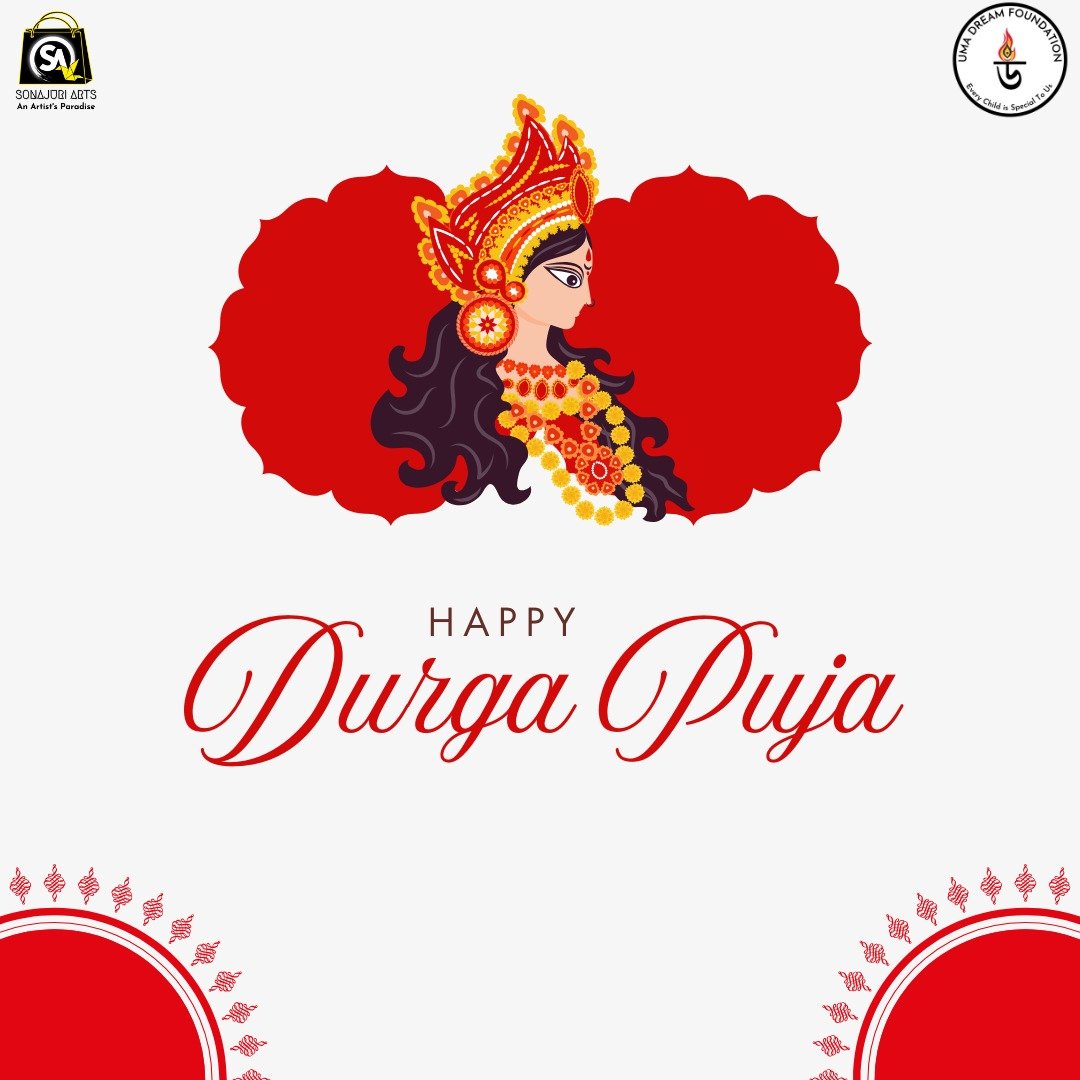
Dhaak, Dhunuchi, and Devotion: Experiencing the Spirit of Durga Puja
Every autumn, as the tropical monsoon retreats from Bengal, it leaves behind a sky washed in brilliant azure, punctuated by fluffy, cotton-like clouds known locally as Kashphool-blooming skies. Along the riverbanks, white feathery grass sways gently in the morning breeze, and the air carries a delicate, inescapable fragrance—the sweet, honeyed scent of Shiuli flowers carpeted across the grass.
To the untrained eye, these are subtle seasonal shifts. But to a Bengali anywhere in the world, they signal something far more profound: Maa Aascchen—Mother Durga is coming home.
Durga Puja, affectionately called Pujo, is not merely an annual Hindu festival celebrating the victory of the warrior Goddess Durga over the buffalo demon Mahishasura. It is an extraordinary socio-cultural phenomenon, a week-long immersive theater of art, music, community, gastronomy, and raw emotion. At the beating heart of this grand carnival are three eternal elements: the thunderous rhythm of the Dhaak, the hypnotic smoke of the Dhunuchi, and an intense, intoxicating atmosphere of pure Devotion.
1. The Clay and the Canvas: The Sacred Genesis
To understand the spirit of Durga Puja, one must begin in the narrow, labyrinthine alleys of Kumartuli—Kolkata’s historic potters’ quarter nestled along the banks of the Hooghly River.
Months before the festival, Kumartuli hums with quiet, sacred artistry. Here, master artisans transform humble river mud (Gangamati), straw, and bamboo into towering, breathtaking idols of Goddess Durga and her four children: Lakshmi, Saraswati, Ganesha, and Kartikeya.
[Bamboo Structure] ➔ [Straw Framework] ➔ [Clay Layering] ➔ [Chakhudaan]
(Eye Painting)
The sculpting process is deeply spiritual and bound by centuries-old rituals:
- The Sacred Earth: The clay is traditionally mixed with soil collected from the doorstep of a brothel (known as Punya Mati or sacred soil). This tradition recognizes that those marginalized by society contribute sacred virtue to the divine creation, ensuring that no soul is excluded from the Goddess’s grace.
- Chakhudaan (The Painting of the Eyes): The most mystical moment occurs on Mahalaya, the auspicious dawn that marks the beginning of Devipaksha (the fortnight of the Goddess). On this morning, in complete silence and devotion, the head artisan paints the eyes of Goddess Durga. It is believed that with the final stroke of the paintbrush, life (Prana) is infused into the clay.
2. The Soul of the Symphony: The Echo of the Dhaak
If Durga Puja had a voice, it would undeniably be the sound of the Dhaak.
┌────────────────────────┐
│ THE DHAAK │
│ Large Wooden Barrel │
└───────────┬────────────┘
│
┌──────────────────┴──────────────────┐
▼ ▼
[Left Head: Thick Leather] [Right Head: Thin Leather]
(Produces deep, bass resonance) (Produces sharp, high pitch)
│ │
└──────────────────┬──────────────────┘
│ Played with
▼
[Two Thin Bamboo Sticks]
│
▼
Creates signature rhythmic pulse:
“Dha-da-nin-na, Dha-da-nin-na”
The Dhaak is a large, double-sided wooden drum strapped over the shoulder and played with two thin bamboo sticks (Kathi). Decorated with vibrant feathers, tassels, and intricate red-and-white cloth trim, the Dhaak is not played by mere musicians—it is commanded by the Dhaaki, traditional drummers who travel from rural Bengal into towns and cities for the festival.
The heartbeat of Puja changes with the rhythm of the Dhaak:
| Puja Phase | Dhaak Rhythm & Tempo | Mood & Experience |
| Bodhon & Saptami | Slow, welcoming, rhythmic beat | Anticipation and quiet reverence |
| Ashtami Pushpanjali | Steady, meditative, solemn beat | Deep spiritual communion |
| Sandhi Puja | Rapid, crescendoing, thunderous pattern | Climax of divine power (Shakti) |
| Visarjan (Immersion) | Fast, chaotic, festive dance beat | Bittersweet farewell until next year |
When the first beat of the Dhaak echoes through a pandal (temporary shrine), it bypasses logical thought and strikes straight at the chest. It vibrates through the floorboards, quickens the pulse, and sends a visceral shiver down the spine. It is a sound that calls every lost child back home.
3. Smoke, Fire, and Ecstasy: The Ritual of the Dhunuchi
As twilight descends on the day of Maha Ashtami or Maha Navami, the atmosphere inside the pandal shifts from solemn prayer to ecstatic celebration. The air thickens with incense, camphor, and the woody aroma of burning coconut husks.
Enter the Dhunuchi.
( ( ( Smoke & Fragrance ) ) )
┌──────────────────────────────────┐
│ Earthen Cup / Chalice │
│ (Contains: Dry Coconut Husk, │
│ Frankincense / Jhuno, & │
│ Camphor Cubes) │
└────────────────┬─────────────────┘
│
[Stem & Pedestal]
│
Held by the Dancer
A Dhunuchi is an earthen chalice with a flared rim and a sturdy stem. Inside, burning coconut husks are sprinkled with Jhuno (a natural plant resin/frankincense) and camphor. As the resin hits the hot embers, thick, fragrant white clouds of aromatic smoke rise into the air.
The Dhunuchi Naach
What follows is the Dhunuchi Naach—a traditional dance performed before the Goddess to offer Aarti (worship with light and incense).
Dressed in traditional attire—men in pristine silk Kurtas and Dhotis, women in white-and-red Garad or Kanjivaram sarees—dancers pick up two burning Dhunuchis, one in each hand. As the Dhaakis ramp up their tempo, the dancers swirl, turn, and bend in sync with the thunderous drumming.
The bravest dancers even hold a third Dhunuchi balanced between their teeth!
[Fast Dhaak Beats] ──► [Swirling White Smoke] ──► [Rhythmic Movement] ──► [Trance-like Devotion]
It is not merely a performance; it is an act of pure, ecstatic devotion. The heat of the fire, the density of the smoke, and the hypnotic pulse of the drum collapse the distance between the worshipper and the Divine. In that moment of trance, physical fatigue vanishes.
4. The Fabric of Devotion: A Five-Day Journey
Durga Puja is structured over five core days, each carrying its own distinct emotional, spiritual, and social cadence.
Mahalaya ──► Sasthi ──► Saptami ──► Ashtami ──► Navami ──► Dashami
(Dawn Call) (Welcome) (Rituals) (Climax) (Feasting) (Farewell)
Mahalaya: The Dawn Call
Days before the main festivities begin, households wake up at 4:00 AM to listen to Mahishasuramardini—the legendary radio broadcast recorded by Birendra Krishna Bhadra in 1931. His sonorous, chanting voice detailing the descent of the Goddess sets the emotional stage for the week ahead.
Maha Sasthi: The Unveiling
The festival formally begins on Sasthi. The Bodhon (awakening) ritual takes place, unveiling the Goddess to the public. City streets transform overnight into an open-air art gallery as millions begin Pandal Hopping—walking miles from neighborhood to neighborhood to view elaborate, architecturally stunning temporary pavilions built out of bamboo, fabric, metal, and glass.
Maha Saptami: Nature’s Sacred Presence
Dawn brings the Kola Bou ritual (also called Nabapatrika). A young banana plant is bathed in the Hooghly River, draped in a yellow-bordered red saree like a new bride, and placed next to Lord Ganesha. This ancient agrarian practice honors the Mother Goddess as the provider of nature, vegetation, and life.
Maha Ashtami: The Spiritual Peak
Ashtami is the emotional nucleus of Durga Puja.
- Pushpanjali: In the morning, thousands fast until they gather at their local pandal, holding fresh flower petals. Led by the priest, the crowd recites Sanskrit hymns in unison, offering flowers at the feet of Maa Durga.
- Sandhi Puja: Occurring at the exact juncture where Ashtami meets Navami (a 48-minute window), Sandhi Puja marks the precise moment Goddess Durga transformed into Goddess Chamunda to slay the demons Chanda and Munda. 108 lotus flowers are offered, and 108 brass lamps are lit as the Dhaaks beat with furious intensity.
Maha Navami: The Grand Feast
The penultimate day is dedicated to joyous celebration and feasting. The legendary Bhog—a sacred meal consisting of Khichuri, Labra (mixed vegetable stew), Beguni (eggplant fritters), tomato-date chutney, and Payesh (rice pudding)—is served to thousands regardless of social status.
Vijayadashami: The Bittersweet Farewell
On the tenth day, victory is celebrated, but joy is intertwined with tearful farewells.
- Sindoor Khela: Married women dress in traditional white sarees with red borders and smear Sindoor (vermilion powder) on the Goddess’s forehead and feet, praying for the longevity and prosperity of their families. They then smear vermilion on each other in a festive celebration of sisterhood.
- Visarjan (Immersion): The clay idols are carried to the riverbanks in grand processions accompanied by dancing and chanting of “Aashche bochor abar hobe!” (“She will return again next year!”). As the clay dissolves back into the water, the cycle of nature completes itself.
5. Beyond Religion: The Cultural Equalizer
What makes Durga Puja truly universal is its unique ability to blur lines of caste, creed, religion, and socio-economic status. UNESCO recognized this when it added Durga Puja in Kolkata to its Representative List of the Intangible Cultural Heritage of Humanity.
